Tooling and patent ownership
Pass looks like the model name carries its own patent reference — the 1636 is listed as "Patented" — and the supplier can name who holds the housing tool.
Red flag "we can make any mould" with no owner named.

The difference between a real eye massager manufacturer and a trading desk rarely shows up in the first quote; it surfaces in year two, when a patch wears out, a charger fails or a colour box has to be reordered. This page works through the capability checks, the pre-sample questions, the cost traps and the line items a serious quote must carry, using the 1636 V-model set as the worked example, so you can judge any eye massager supplier on your shortlist — this one included — before a sample is paid for.

Score every candidate on these six points before a sample is paid for. A pass needs a written answer; a spoken yes is a verify, not a pass. The checks are deliberately supplier-agnostic — they work on the 1636 and on any other periocular device in the same category.
Pass looks like the model name carries its own patent reference — the 1636 is listed as "Patented" — and the supplier can name who holds the housing tool.
Red flag "we can make any mould" with no owner named.
Pass looks like hosts and patches are assembled and checked by the same team that writes the quote, so a contact fault is fixed at the source.
Red flag the quote is forwarded from an unnamed third party, with no assembly detail.
Pass looks like the patch is orderable as its own unit, so a worn patch is a small replacement rather than a scrapped set.
Red flag the patch exists only inside the complete set.
Pass looks like each host charges on its own Type-C cable with no dock, and the cable specification is written into the quote.
Red flag a proprietary dock with no cable spec and no replacement path.
Pass looks like the colour box is sized for standard display shelving and back-bar storage, and the dimensions arrive before the order does.
Red flag "standard export carton", with box dimensions confirmed after the PO.
Pass looks like logo artwork and packaging artwork are both accepted for a branded box, and custom lens colours are quoted as a line.
Red flag "any colour you like" with no artwork approval step.
Put these in the first email. The shape of the reply matters more than its politeness: a supplier with a real line answers in numbers, a trading desk answers in adjectives.
| Question to send | A good answer sounds like | An evasive answer sounds like |
|---|---|---|
| 1. Who owns the housing tool, and does the quote say so? | Names the tool owner and states whether the tool can be transferred. | "Don't worry about that, it's ours." |
| 2. Is the patch sold as a separate unit? | Yes — a patch pair carries its own item number and can be reordered alone. | "Only as part of the complete set." |
| 3. How long is patch supply committed? | A written continuity statement, with notice before any change of spec. | "As long as you keep ordering." |
| 4. Does each host charge by Type-C, or is a dock required? | Type-C cable per host, with the cable specification listed in the quote. | "It charges fine, don't worry." |
| 5. Are the lenses glazed or flat moulded? | Glazed and polished, stated in the specification rather than the brochure. | "High-quality glass", with no process named. |
| 6. What happens when one lens is scratched? | A replacement path for the host or the lens is described in writing. | "Customers don't scratch them." |
| 7. Is MOQ quoted per model or per colour? | Per model, with the colour mix inside that quantity stated explicitly. | "Per colour, no mixing." |
| 8. Are custom colours available, and at what point? | On branded runs, with a colour approval step before production. | "Any colour, no minimum." |
| 9. What artwork do you need, in what format? | Logo artwork plus box artwork, with a dieline and a print specification. | "Just send a picture." |
| 10. Does the sample fee credit against the bulk order? | Yes, with the credit condition written into the quote itself. | "The sample fee is separate." |
| 11. Which Incoterm and freight basis is quoted? | A named Incoterm, with carton weight and dimensions attached. | "We'll confirm freight later." |
| 12. What are the colour box and carton dimensions? | Numbers for the box and the carton quantity, before the PO. | "Standard packing." |
None of these appear on the invoice for the first shipment. All of them appear in year two, which is why they belong in the audit rather than in the price negotiation.
What it costs every set already sold or sitting in the warehouse stops working, and the complaint lands on your brand, not the factory.
Control get patch continuity in writing, and keep spare patch pairs on the shelf as the wearing part.
What it costs one scratched lens takes a working host out of service and turns a repair into a replacement.
Control confirm the replacement path before the order, and store the set in its box — glazed lenses scratch when stored loose with metal tools.
What it costs an unquoted plate or print charge on every run, discovered when the invoice arrives.
Control ask for logo artwork and box artwork as separate, named quote lines.
What it costs the sample is paid for twice — once on its own, once inside the bulk price.
Control get the credit condition into the quote document, not into an email thread.
What it costs three colours quietly become three minimums, and the opening order triples.
Control ask for MOQ per model, with the colour mix stated inside that quantity.
What it costs landed cost moves after the unit price is agreed, which is the hardest moment to re-quote your own customers.
Control get box dimensions, carton quantity and a named Incoterm before the PO is signed.
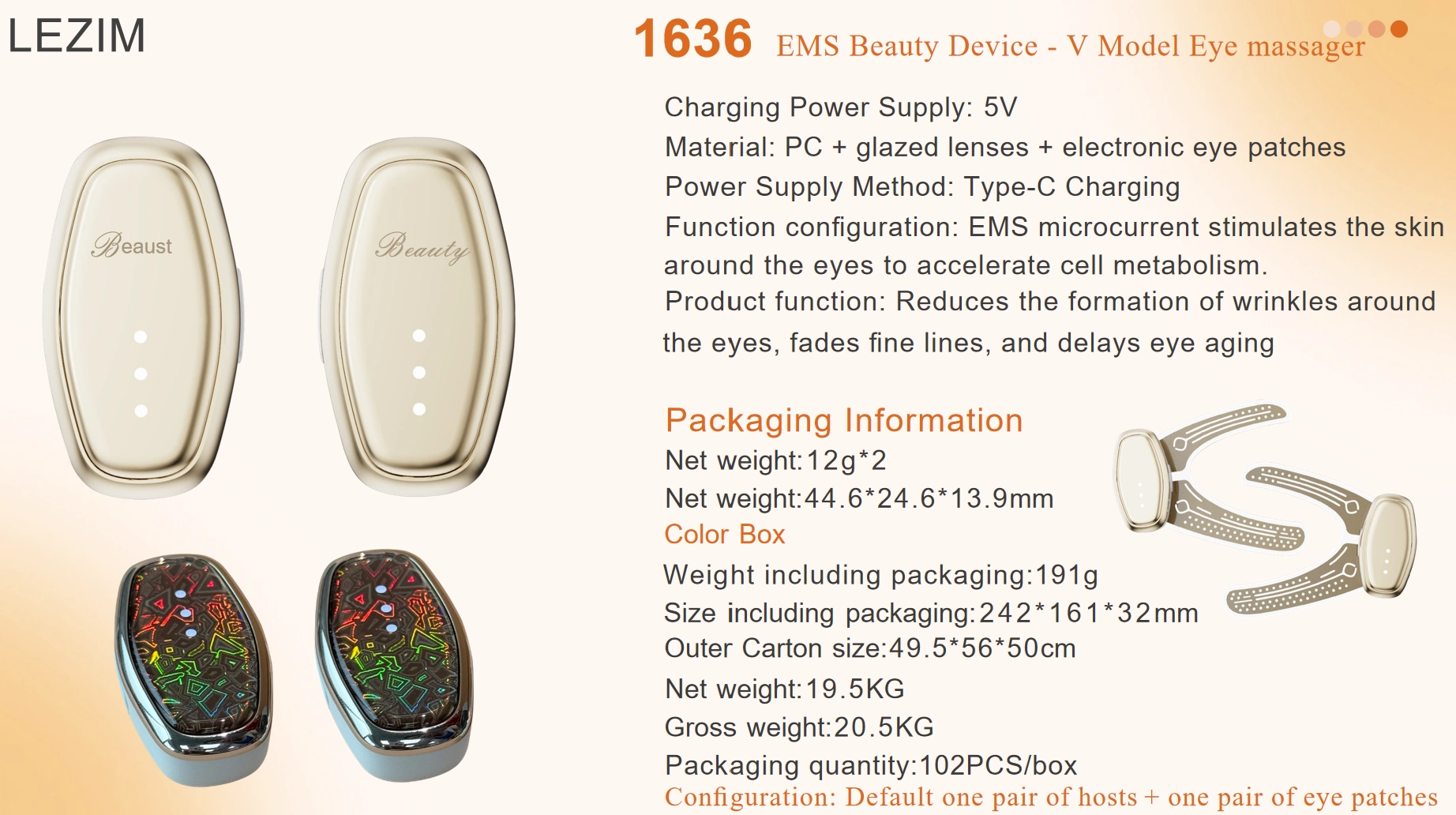
The 1636 V-model set is a useful worked example because it ships as a complete set in one box — which means a lazy quote can hide four separate decisions inside a single number.
| Quote line | What the line must state | 1636 reference |
|---|---|---|
| Host pair | Quantity, colour and the charging method per unit. | One pair of hosts, each unclipping from its patch to charge on its own Type-C cable, with no dock. |
| Patch pair | Whether the patch is a separately reorderable item. | One pair of magnetic patches, detachable, so a worn patch is replaced on its own. |
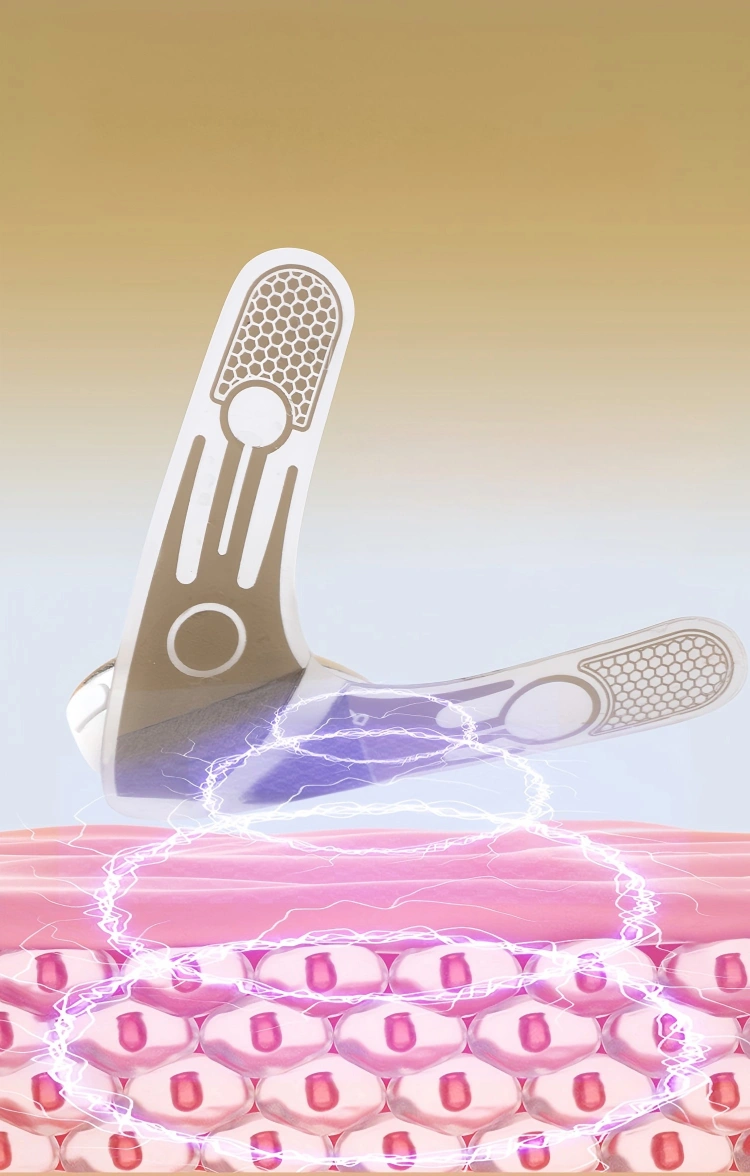
| Lens specification | Glazed or moulded, plus the colour named. | Glazed, polished lenses in champagne pink or grey as standard. |
| Colour box | Print, dimensions, and whether the box holds the full set. | One printed colour box holding the complete set, sized for standard display shelving and back-bar storage. |
| Branding lines | Logo artwork and packaging artwork as separate named charges. | Logo artwork and box artwork accepted for a branded box, with screen-printed graphics on the housing. |
| Custom colour | The surcharge and the approval step before production. | Custom colours available on branded runs; champagne pink and grey otherwise. |
| Sample line | The fee and its credit condition. | State the credit condition in the quote before payment is made. |
| Freight line | Named Incoterm, carton weight and carton dimensions. | Box and carton numbers attached, not promised later. |
| Reference price | The listed figure the rest of the quote is built from. | $24.90 listed reference price for the complete set. |
A set that cannot be repaired is a set that gets replaced. The 1636 is built the other way round: the patch detaches from the host, so the consumable is a small part rather than the whole device.
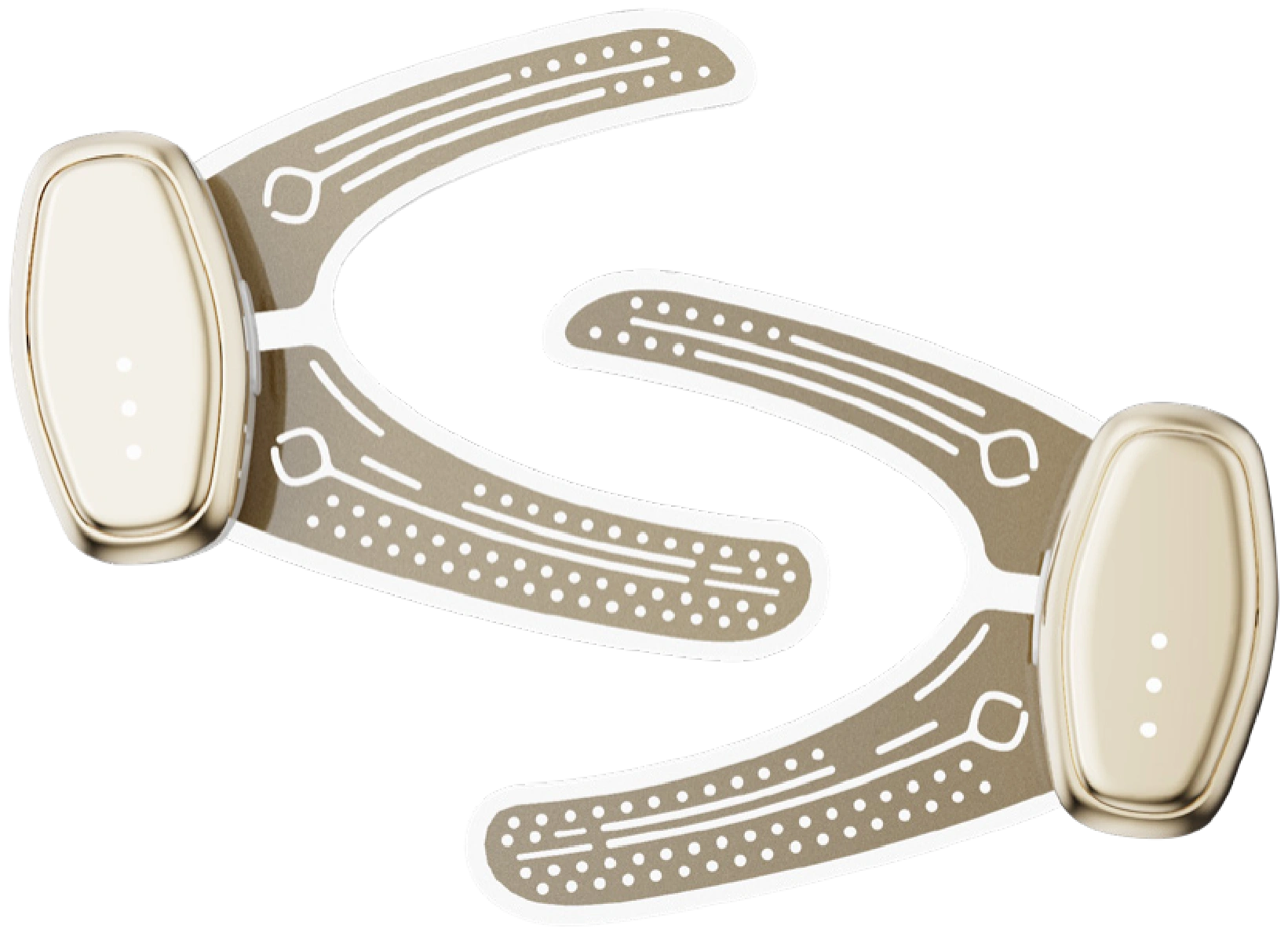
Contact surfaces are wiped after every session with a soft, barely damp cloth and dried before the next use.
A film of gel or cream is the usual reason a patch stops registering — clean the contacts before blaming the device.
Glazed lenses scratch when stored loose with metal tools, so the box is part of the maintenance routine, not just the shipping.
Keep spare patch pairs on the shelf. Ask for the patch as a separate line in the quote — a supplier that cannot sell it separately cannot support the device after year one.
Six situations a buyer actually arrives with, and the specification decision each one forces on the 1636.
| Buyer scenario | Decision it forces | 1636 specification |
|---|---|---|
| First appointment, nervous client | Start at the lowest setting and step up on the same device. | Three intensity levels; level one suits a first appointment. |
| Multi-client treatment room | A contact surface that can be cleaned between clients, plus stocked spares. | Contact surfaces wiped with a soft, barely damp cloth; spare patch pairs kept on the shelf. |
| Retail shelf or back-bar | A box that fits the space already allocated. | Colour box sized for standard display shelving and back-bar storage. |
| Own-label launch | Artwork approved before print, not after it. | Logo artwork and packaging artwork for a branded box, with screen-printed graphics. |
| Colour-matched range | A standard colour now, a custom colour once volume is committed. | Champagne pink and grey standard; custom colours on branded runs. |
| Range built around a photon mask or beauty wand | A device for the periocular area those units cannot press against comfortably. | V-shaped profile following the orbital bone, with two hosts spreading the load. |
Sign off in this order. Each gate catches a different class of problem, and skipping one moves the cost to the next stage instead of removing it.

Confirm the complete set arrives in one box — one pair of hosts and one pair of magnetic patches under a single item number.
Wear it. The V-profile follows the orbital bone, the two hosts spread the load, and a client can sit up, talk and turn without the set shifting.
Run all four functions together and separately across three intensity levels, and change the mode without looking away from the client.
Approve logo artwork and box artwork before print. Screen-printed graphics and custom colours both lock at this gate.
Confirm patch supply, spare patch pairs and packing dimensions in writing before the bulk order is released.
The specification a quote should be checked against, kept in one place so a line item can be traced back to it.
| Model | EMS Beauty Device – V model eye massager 1636 (Patented) |
| Functions | Nano red, nano blue, vibration and warming — run together or separately |
| Intensity levels | 3, controlled in three steps with no menus |
| Charging | Type-C cable per host; no charging dock required |
| Housing | Polycarbonate, with screen-printed graphics |
| Lenses | Glazed and polished; champagne pink or grey as standard |
| Custom colour | Available on branded runs |
| Set contents | One pair of hosts and one pair of magnetic patches in one colour box |
| Packaging | Colour box sized for standard display shelving and back-bar storage |
| Branding | Logo artwork and packaging artwork for a branded box |
| Listed price | $24.90 reference price for the complete set |
Tell us the model, the quantity, and whether the run is branded. A useful reply comes back itemised — host pair, patch pair, colour box, logo artwork, sample and freight — rather than as one number. Custom colours and printed logo artwork are quoted on branded runs.
Keep adjacent product options together for a faster catalog comparison.

8-color LED face mask in food-grade silicone with 352 diodes, made for brand, clinic and private label programs. Send the model and quantity for a quote.
View product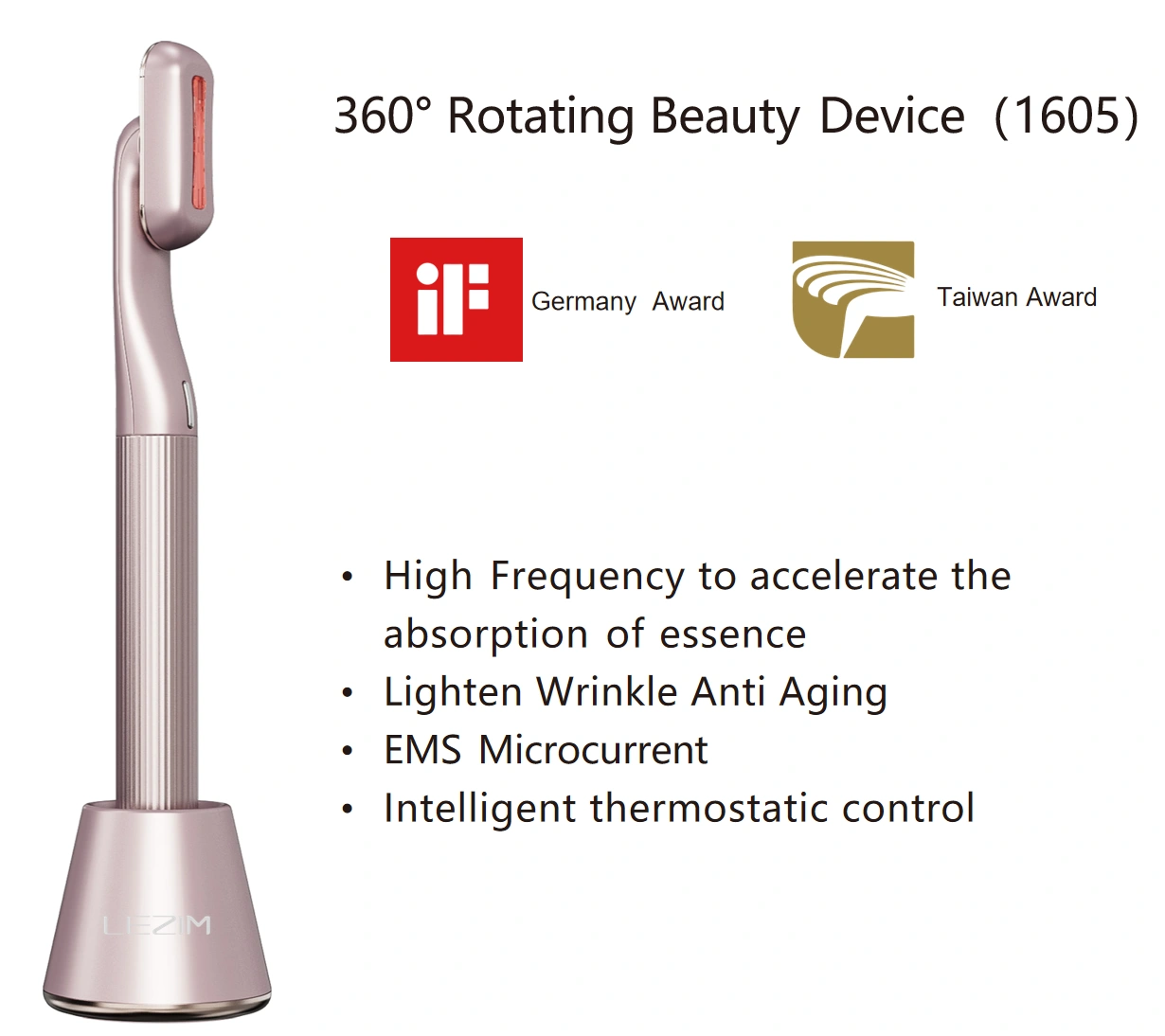
Patented 360° rotating beauty device with red light, EMS, hot compress and vibration for professional treatments and daily home care.
View product
Collagen Boost Radio Frequency Instrument from a leading beauty equipment manufacturer. ISO/CE certified device designed for professional clinical protocols.
View productone pair of hosts and one pair of magnetic patches, packed in a single printed colour box under one item number. the complete set is listed at $24.90 as a reference price; send the model and quantity for a quote.
the patch is pressed to the skin and the host snaps onto it, so there are no straps across the face and no tape. because the patch detaches from the host, a worn patch is a small replacement rather than a scrapped set — ask for the patch pair as its own reorderable line.
nano red, nano blue, vibration and warming, run together or separately. there are three intensity levels, and the controls work in three steps with no menus, so the mode can be changed without looking away from the client.
no dock is required. each host unclips from its patch and plugs into a type-c cable on its own, so a two-host set charges without any extra station on the shelf.
champagne pink and grey are standard, with custom colours available for branded runs. logo artwork and packaging artwork are accepted for a branded box, and the polycarbonate housings carry screen-printed graphics.
wipe the contact surfaces after every session with a soft, barely damp cloth and dry them before the next use. keep the metal contacts clean, since a film of gel or cream is the usual reason a patch stops registering, and store the set in its box so the glazed lenses are not scratched; keep spare patch pairs on the shelf as the wearing part.